A Hot Take on Hot Sauce
I had no idea hot sauce trolls existed. But lo and behold, make a post about one of North America's most beloved condiments and watch them rise from their holes, or wherever trolls live.
I've always had strong opinions about hot sauce, but I had no clue just how polarizing a purée of chilies could be.
Let me explain.
It's my opinion that there's a difference between a hot sauce and a sauce that just happens to be hot. When I make a hot sauce, I want it to taste as true to the chili as possible, and I want it intense. Here's the logic.
A sauce with a lot of heat for its volume only gets used a few drops at a time. At that amount, any other flavours in it get drowned out by the rest of the dish. And if you used enough to actually taste them, it would be far too spicy to enjoy. So a hot sauce has one job: bring the heat and the flavour of the chili.
Then there's the sauce that happens to be hot. A lot of salsas fit here. They're dynamic, flavourful and interesting, but usually mild enough that you can use plenty, enough to taste them as a complement or a contrast to the dish.
Despite what I think is sound logic, the post got a fair amount of negative feedback. It turns out people take their hot sauce VERY seriously, and the most outspoken of them found it downright sacrilicious that I'd suggest a hot sauce should have one job: to be hot!
So why do people care this much?
A study in Italy followed about 22,800 adults for a little over eight years. The people who ate chili peppers more than four times a week had roughly a 23 percent lower risk of dying during that time than people who rarely or never ate them. Earlier studies in China and the US pointed the same way.
Now, to be clear, this is fairly loose evidence, and none of these studies prove the chilies are the reason. So before you point out the difference between correlation and causation: I know. That's not the point. Personally, I'm a fan of the idea that chili peppers could help us live longer, and it gives hot sauce well deserved validity as the perma-condiment on our dinner table.
But I'd assume most people who love "the heat" have no idea these studies exist, so I think hot sauce's popularity (and chilies in general) has more to do with the euphoric high that follows a chili-laden meal. Capsaicin, the compound that makes chilies hot, sets off the same receptors in your body that sense heat. Your body reads that as pain and is thought to release endorphins in response. That's probably why people chase the pepper dragon with religious fervor, and why so many are passionate, borderline fanatical, about hot sauce.
What do you think? Am I wrong? Or do the trolls maybe just need a few more hot sauce endorphins in their lives?
See the post and the comments here: Instagram · YouTube
|
Hot Sauce (Any Peppers, Any Heat Level)
A simple hot sauce for making things hot. This is the sauce from the post that started all of this. Any chilies work, and they set the heat. The onion and garlic are optional, and if you've read this far, you know where I stand on that.
Ingredients
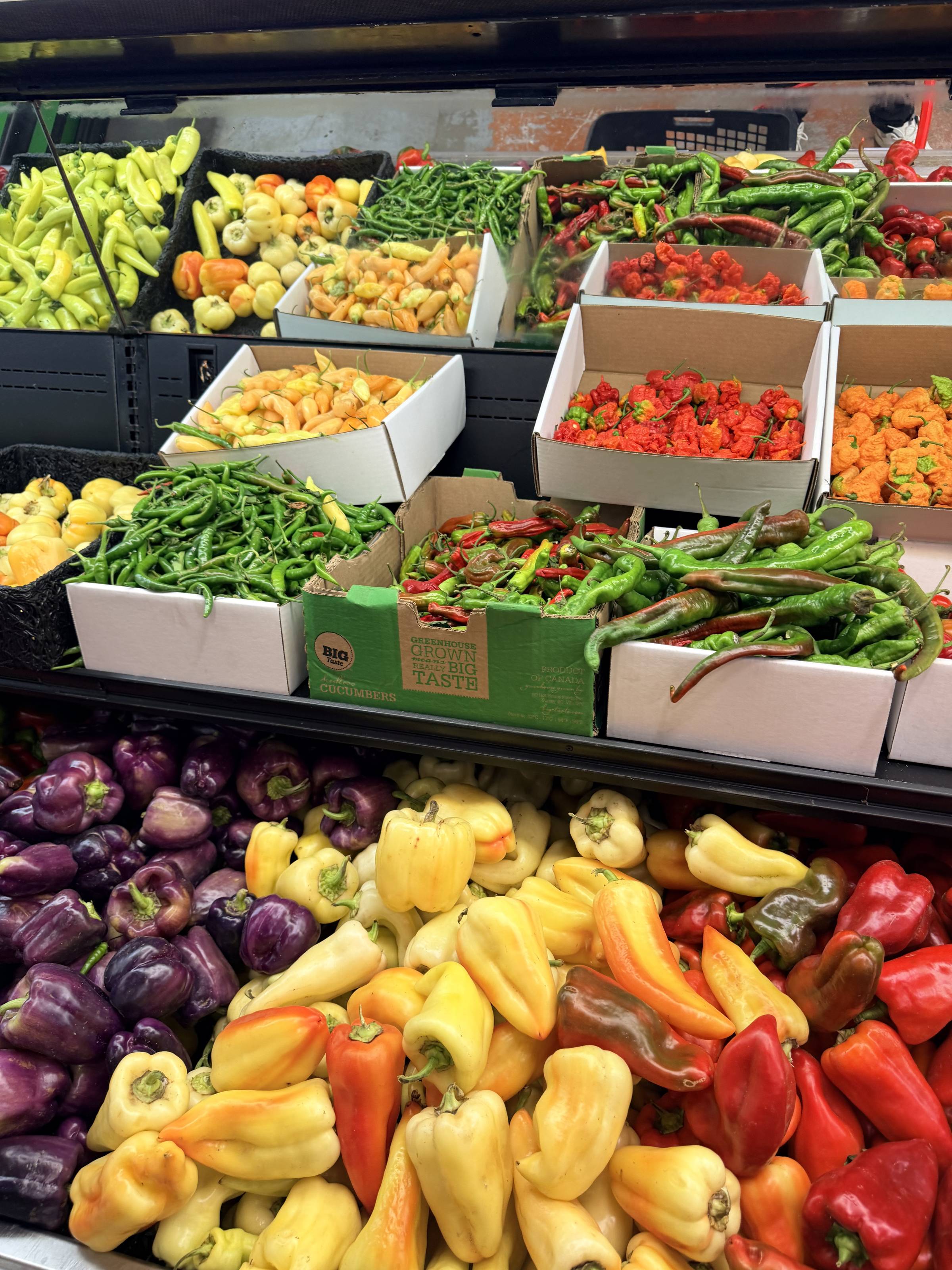
- 340 g chilies (12 oz, about 3 cups whole or 2½ cups chopped, varies a lot by size)
- 750 ml water (3 cups + 2 tbsp)
- 125 ml vinegar (½ cup)
- 18 g salt (about 2 tbsp Diamond Crystal kosher salt)
- 50 g onion, optional (about ⅓ cup chopped, or ¼ of a medium onion)
- 1 clove garlic, optional (about 5 g, or 1 tsp minced)
- ½ tsp xanthan gum (about 1.5 g)
Method
- Wash and stem the chilies, then cut them in half.
- Put the chilies, water, vinegar and salt in a pot, plus the onion and garlic if you're using them.
- Bring to a boil, then cover and simmer for 15 minutes, or until the chilies are tender when tested with a knife. The lid matters here, so you don't lose liquid volume.
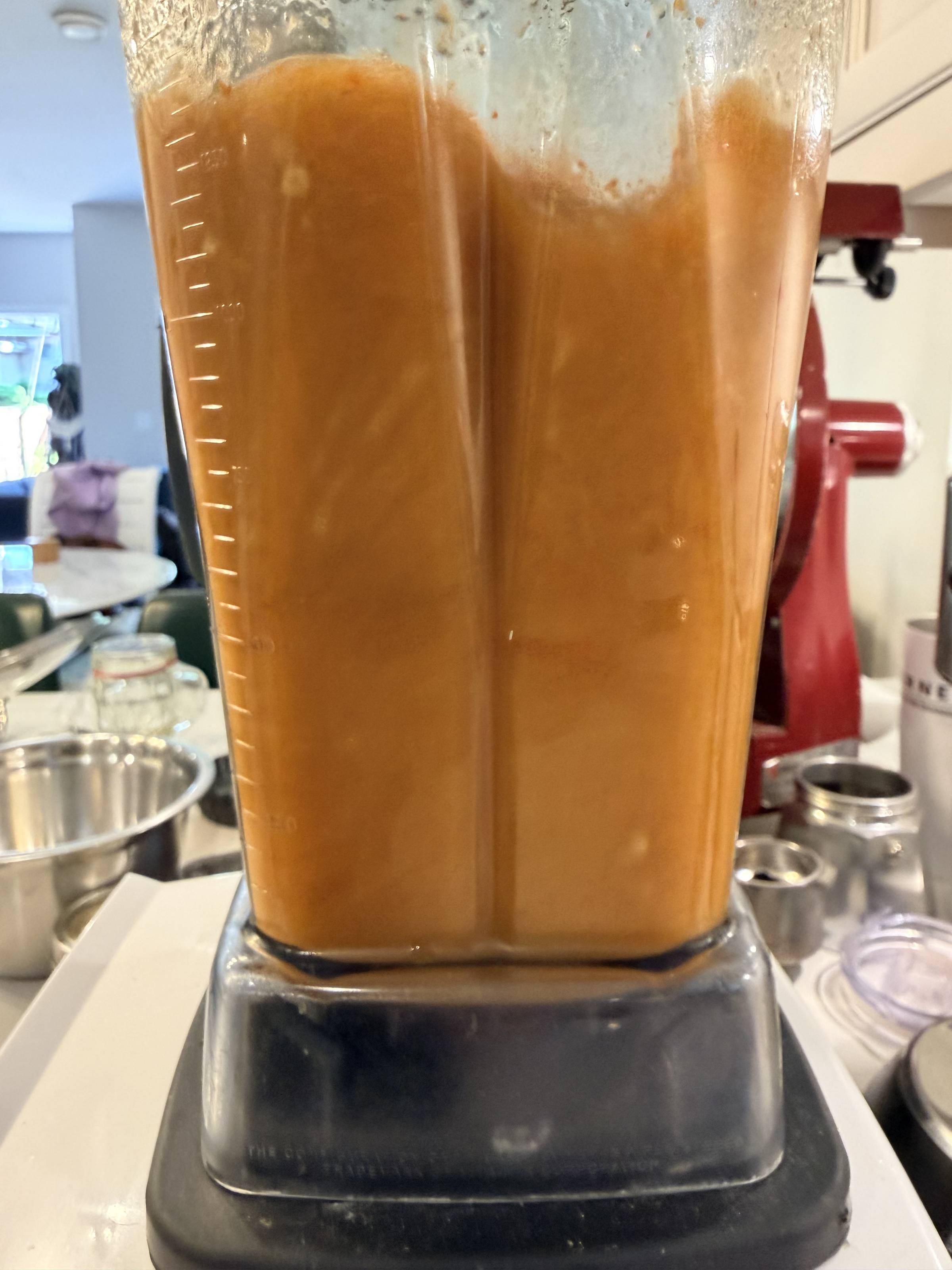
- Purée everything in a blender. Work in batches, and don't fill the blender more than halfway with hot liquid.
- With the blender running, add the xanthan gum. Process at least 30 seconds on high to get the full thickening effect.
- Pass through a fine sieve, pressing to extract as much sauce as you can. (The seeds and pulp can be turned into a chili oil by simmering them in neutral oil.)
- Transfer to a jar and refrigerate. It should keep well for a long time.
Makes about 1 litre.
|
A note on the xanthan gum: it's optional, but it keeps the sauce from separating, so you're not shaking the bottle before every use. Worth including.
|
|
|
|
|
|
This Week's Fridge Note
Freeze your chilies now. Grate them all winter.
The end of chili season is the time to stock up. Cut off the tops, pull out the seeds, and lay the chilies flat on a tray to freeze. (This works best with thicker, more "watery" peppers like jalapeños.) Once they're solid, move them to a bag so they don't clump together. When you need heat, grate one straight from the freezer on a microplane, then put the rest back.
This is amazing on something like fish crudo or sushi, but it's also an easy way to add spice and fresh chili flavour to a soup or pasta sauce.
|
|
Let me know what side of the debate you're on. You can reply directly to this email!
Until next week.
— Chris
|
